
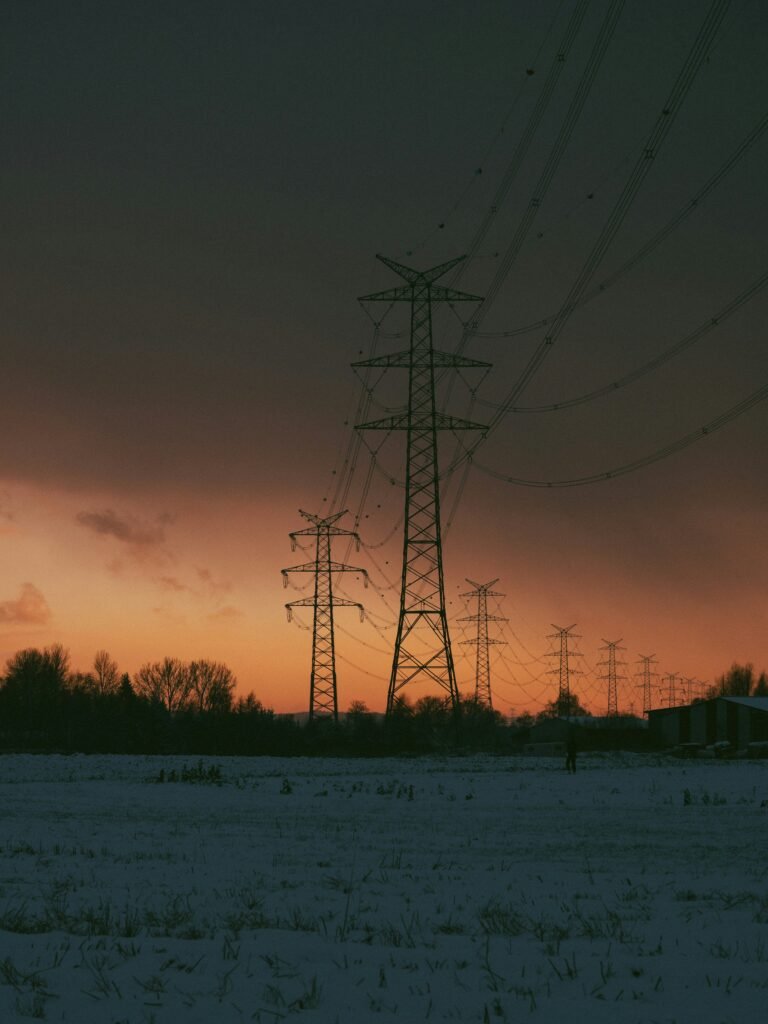
There is a kind of work that disappears the moment NEPA blinks.
The laptop shuts down.
The dashboard freezes.
The call drops.
And suddenly, nothing can move forward until conditions improve.
Most people build their income that way—on perfect days that rarely arrive.
But a few people learned something different.
They noticed that when the lights went out, some businesses did not stop.
Not because they had generators.
But because their work was already finished.
They had prepared earlier.
Written things down.
Organized tasks that did not require being online.
So when data came back—five minutes, ten minutes—they didn’t panic.
They sent what was already ready.
Then they disconnected again.
Here’s what always happens in environments like this:
People who depend on constant connection burn out first.
People who design for interruption last longer.
AI was never meant to be a live wire you hold all day.
It is a switch you flip briefly.
Think about it.
Most useful work is not done while connected.
It is done while thinking.
While arranging words.
While deciding what matters and what doesn’t.
Connection is just the final step.
That is why some people quietly earn from text, documents, and simple outputs—
while others wait for better internet to “really start.”
The difference is not intelligence.
It is design.
Design that respects reality instead of fighting it.
And once you see that, you stop asking,
“Which AI tool is best?”
You start asking a better question:
What kind of work survives interruption?
That question changes everything.
Sometimes, the smartest move is not upgrading your tools.
It is choosing work that still works when the lights go out.
What an Impactful insight.